Halloween Wine Lover Design Sublimation
First Impressions and Visual Mood
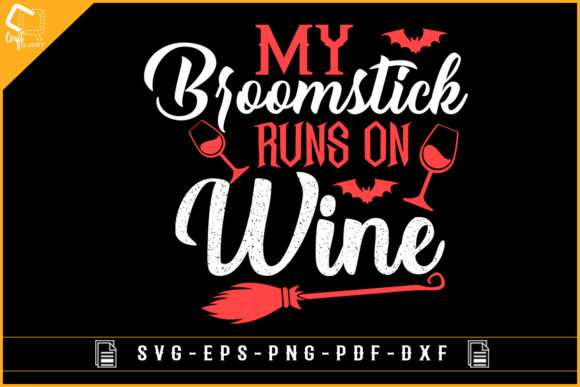
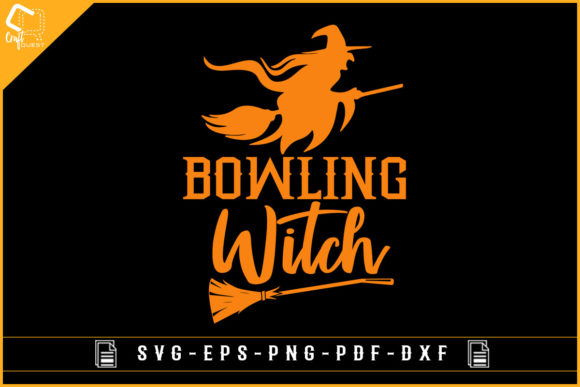
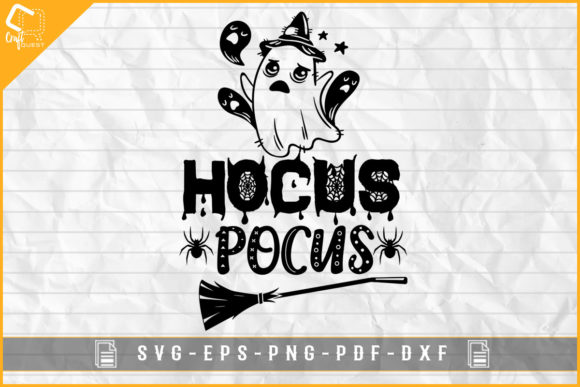
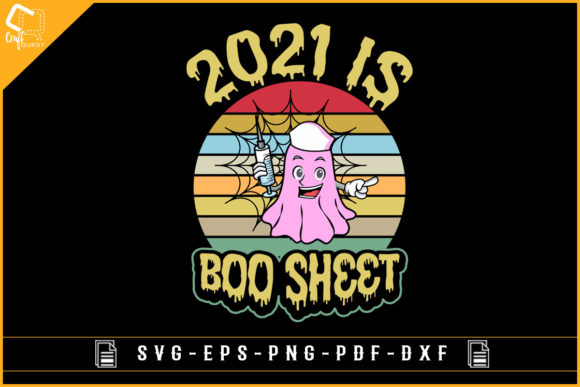
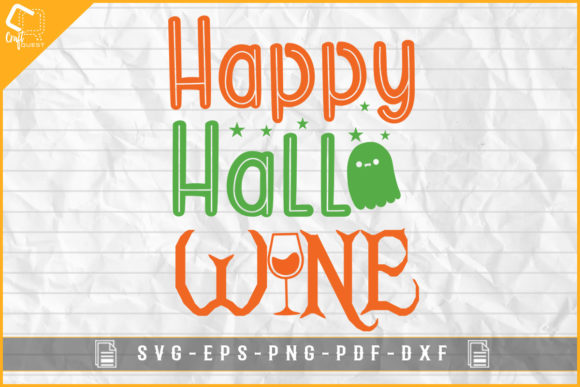
The Halloween Wine Lover Design Sublimation immediately evokes a playful yet spooky atmosphere. With its mix of wine-related symbols and Halloween motifs, it balances humor with the season’s eerie charm. The design feels handcrafted, which aligns well with the Crafts category it belongs to. It carries a casual, fun vibe that suits a variety of creative projects, especially those targeting a younger or more whimsical audience.
Design Style and Client Fit
This design asset leans toward a modern, graphic style with a touch of vintage flair. It’s not overly complex, making it versatile for both minimal and detailed layouts. It would be ideal for small businesses like Etsy shops, handmade brands, or local boutiques looking to create seasonal campaigns. The Halloween theme makes it particularly suitable for holiday-themed merchandise, such as t-shirts, mugs, and tote bags. Its visual language also fits well in editorial design and social media graphics, where a strong visual hook is essential.
Use Cases and Practical Applications
The Halloween Wine Lover Design Sublimation can be used across multiple design areas. For logo design, it could serve as a secondary element in a brand identity system, adding personality without overpowering the main logo. In packaging design, it offers a festive yet approachable look that appeals to crafters and small business owners. For product labels, it provides a clear, eye-catching option that stands out on shelves or online.
- Posters and Flyers: Works well as a hero graphic or decorative accent.
- Stickers and Merchandise: Perfect for Cricut projects and print-on-demand products.
- Social Media Graphics: Ideal for Instagram posts and Pinterest pins due to its vibrant color palette and engaging visuals.
- Canva Templates: Easily integrated into templates for quick, professional-looking content.
- Web Design: Can be used as a background or overlay on websites or landing pages.
Where It Excels and Where to Be Careful
This design performs best in large layout areas, such as product mockups and campaign visuals. It shines when used as a bold statement piece, whether on a t-shirt or a wall art print. However, it should be used with caution in small sizes or crowded layouts, where its details might get lost. On minimalist branding projects, it could feel too busy or overwhelming, so it’s best suited for more expressive or themed designs.
Impact on Readability and Brand Consistency
Readability is key in any design project, and this asset can affect it depending on how it’s applied. When placed against light backgrounds, it maintains good contrast, but it may lose impact on dark ones. Testing it in black and white is crucial to ensure it still communicates the intended message effectively. In terms of brand consistency, it works well as a supporting element rather than a primary one, helping to reinforce the Halloween theme without overshadowing other brand elements.
Designer Notes and Best Practices
Before using the Halloween Wine Lover Design Sublimation commercially, there are several checks to consider. First, test it at different sizes to see how it holds up. Next, preview it on real mockups to understand how it will appear in context. Check file formats like SVG, PNG, and PDF to ensure compatibility with various tools and platforms. If transparency is included, verify that it works correctly in different applications.
- Commercial Licensing: Confirm that the design has a proper commercial license for client use.
- Font Pairing: Test it with serif, sans-serif, script, and display fonts to find the best visual balance.
- Print Quality: Ensure that it prints clearly and maintains its vibrancy in physical form.
Conclusion and Final Thoughts
The Halloween Wine Lover Design Sublimation is a valuable asset for designers working on seasonal or themed projects. Its playful yet spooky aesthetic makes it ideal for a range of Crafts and Graphics applications, from print-on-demand products to social media content. While it excels in larger formats and thematic designs, it requires careful placement in smaller or more minimal contexts. By following best practices and testing its performance in real-world scenarios, designers can confidently incorporate it into their workflow, enhancing both creativity and client satisfaction.