Save the Ocean Humpback Whale Graphics for Crafts
A First Impression That Speaks Volumes
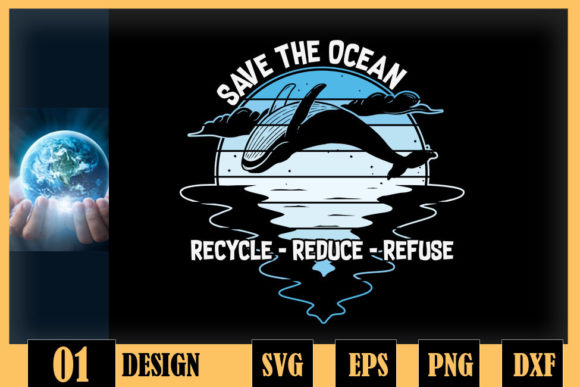
The first time I saw Save the Ocean Humpback Whale, I was immediately struck by its emotional resonance and visual clarity. The graphic is a powerful blend of nature and design, capturing the grace and majesty of the humpback whale in a way that feels both authentic and stylized. It carries a modern, clean aesthetic that aligns well with editorial and digital publishing needs. Whether used as a blog header or a social media preview, this graphic sets the tone for content that is both informative and visually engaging.
Editorial Mood and Content Niche
Save the Ocean Humpback Whale evokes a sense of environmental awareness and educational value. It’s ideal for content focused on marine conservation, wildlife education, and eco-friendly living. The graphic supports a variety of niches, from lifestyle and sustainability to creative crafts and digital publishing. Its design is versatile enough to fit into both playful and professional contexts, making it a valuable asset for bloggers, educators, and affiliate marketers looking to connect with audiences who care about the planet.
Real Publishing Use Cases
Save the Ocean Humpback Whale is a graphic design asset that can be used across multiple platforms and formats. Here are some practical applications:
- Blog Featured Images: As a website header or article thumbnail, it draws attention and reinforces the theme of your post.
- Pinterest Pins: The graphic is highly shareable and works well as a visual anchor for content marketing and lead magnets.
- Newsletter Headers: It adds a professional touch to email campaigns and helps build brand identity.
- Social Media Graphics: Perfect for Instagram, Facebook, and Twitter posts, especially when paired with educational or inspirational copy.
- Canva Templates: This graphic is compatible with a range of design tools, including Cricut Design Space, Silhouette Studio, Corel Draw, Adobe Illustrator, and Photoshop, making it easy to customize for different projects.
- Downloadable Resources: Ideal for printable designs, worksheets, and digital guides aimed at educators and small business owners.
- Website Banners: A great choice for category visuals, landing pages, and promotional content.
How Save the Ocean Humpback Whale Supports Content Performance
Using Save the Ocean Humpback Whale in your content strategy can have a direct impact on performance. Here’s how:
- Stronger First Impression: A visually appealing graphic like this one can significantly enhance the initial appeal of your content.
- Clearer Visual Hierarchy: It helps guide the reader’s eye and emphasizes key elements of your content.
- Better Click-Through Potential: When used as a Pinterest pin or social media post, it increases the likelihood of engagement and clicks.
- More Consistent Branding: Repetition of this design asset across various platforms strengthens brand identity and recognition.
- Improved Reader Trust: Professional-looking graphics contribute to a sense of credibility and reliability in your content.
- Better Category Recognition: It helps your content stand out in crowded categories by creating a distinct visual identity.
- Stronger Visual Identity: It allows you to develop a cohesive look that aligns with your brand values and audience expectations.
- More Professional-Looking Content Pages: High-quality design assets elevate the overall presentation of your digital content.
Where Save the Ocean Humpback Whale Works Best
This graphic design asset performs exceptionally well in several key areas:
- Hero Images: It makes an excellent focal point for homepage banners and main page visuals.
- Article Thumbnails: It enhances the visibility of your content in search results and feeds.
- Pinterest Pins: Its clean and modern style is highly compatible with the platform’s visual format.
- Blog Graphics: Whether used as a post image or side graphic, it adds depth and visual interest.
- Editorial Accents: It can serve as a subtle background or accent in layouts without overwhelming the text.
- Content Upgrades: It works well in downloadable resources like PDF guides and worksheets.
- Category Visuals: It helps define sections of your website or blog with a consistent and appealing look.
- Social Media Previews: It ensures your content looks polished and engaging across all platforms.
Where to Use with Caution
While Save the Ocean Humpback Whale is a versatile design asset, it may not be suitable for every use case. Consider the following scenarios where it should be used carefully:
- Small Mobile Thumbnails: Due to its size and detail, it might not scale well on very small screens.
- Text-Heavy Blog Images: It could compete with dense text and reduce readability if not properly balanced.
- Low-Contrast Backgrounds: It may not stand out effectively in environments with poor contrast.
- BUSY Layouts: It could feel out of place in overly complex or cluttered designs.
- Serious Professional Niches: Depending on the context, it might appear too decorative rather than formal.
- Corporate Content: It may not align with the more traditional or minimalistic styles often found in corporate branding.
- Websites with Minimalist Visual Systems: It might introduce unnecessary complexity to a simple design language.
Publisher Notes for Optimal Use
To ensure the best results when using Save the Ocean Humpback Whale, consider these practical tips:
- Test on Desktop and Mobile Screens: Ensure the graphic looks good across all device sizes.
- Check Thumbnail Preview: Confirm it appears clear and recognizable in smaller formats.
- Preview in Real Blog Layouts: See how it integrates with your existing design system.
- Test with Headline Text: Make sure the combination of text and image is visually balanced.
- Check Contrast and Readability: Ensure the graphic doesn’t interfere with legibility of surrounding content.
- Try in Black and White: Test its effectiveness in monochrome to confirm visual impact.
- Place Beside Different Font Styles: Ensure compatibility with serif, sans-serif, script, and display fonts.
- Review File Size for Web Performance: Optimize images to maintain quality without affecting load times.
- Compress Images Properly: Use tools to reduce file size while preserving visual integrity.
- Confirm Commercial Licensing: Always verify that the asset is licensed for use on monetized websites, affiliate pages, or paid content products.
Conclusion
Save the Ocean Humpback Whale is a powerful graphic design asset that can elevate your content publishing efforts. With its clean, modern design and strong emotional appeal, it’s a valuable tool for bloggers, designers, and small business owners looking to create visually compelling and trustworthy content. By understanding its strengths and limitations, you can make the most of this design asset in your editorial and digital publishing workflows.